- April 16, 2025
- 12:00 pm
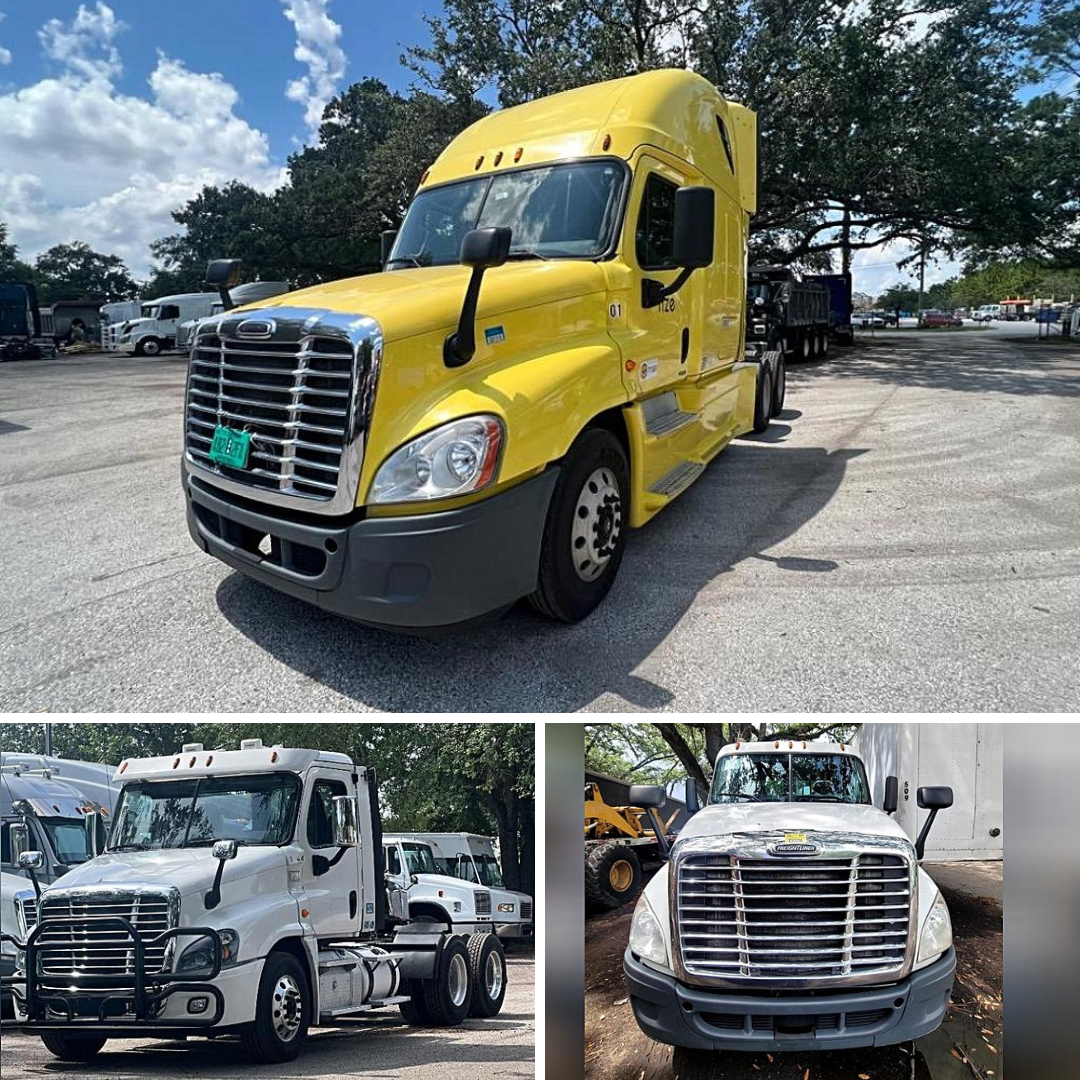
Choosing the right truck for your business is more than just picking a model year—it’s about finding the right combination of performance, comfort, and value. At Garcia Truck And Bus Sales of Florida, I’ve had the opportunity to put some of the industry’s best heavy-duty trucks side by side. This time, we’re taking a closer look at three incredible Freightliner Cascadia models: the 2015 Cascadia, the 2016 Cascadia 125 Daycab, and the 2017 Cascadia 125 Non-Sleeper. Each of these trucks offers its own unique strengths, and by the end of this review, you’ll have a clearer picture of which one might be the best fit for your commercial needs.
Vehicle Overview: Year by Year Breakdown
The 2015 Freightliner Cascadia is a hard-working rig with 794,000 miles on the road. It features a sleek gray interior and a bold yellow exterior, priced competitively at $17,900. This truck represents an affordable entry point into the Cascadia lineup without compromising on dependability.
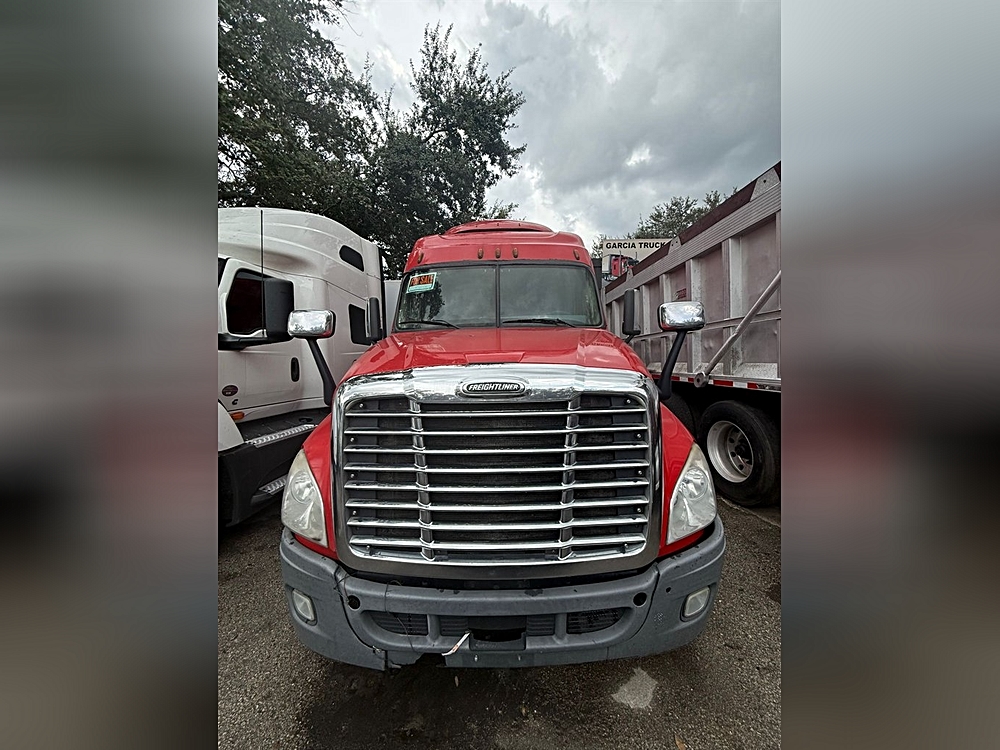
Moving up a year, the 2016 Freightliner Cascadia 125 Daycab comes in with 432,882 miles. With a gray interior and clean white exterior, it’s priced at $35,000 and offers a more compact profile for drivers needing maneuverability without losing that Cascadia power.
Finally, the 2017 Freightliner Cascadia 125 Non-Sleeper presents a solid balance between age and mileage. With 538,000 miles and a white exterior, it’s listed at $32,000 and stands as a great middle ground for budget-conscious buyers who want a newer truck without the higher price tag.
Performance Comparison
Performance is everything in the world of commercial trucking. It’s not just about horsepower—it’s about consistency, handling, and how that engine holds up over the long haul.
Engine Strength Across the Models
All three models are part of the powerful Freightliner Cascadia family, known for durable diesel engines built to push serious miles. While specific horsepower and torque values vary slightly between model years, each delivers reliable acceleration and hauling strength, designed to keep your deliveries on schedule and your operations running smoothly.
Fuel Economy Considerations
Fuel efficiency is critical when you’re putting on hundreds of thousands of miles. Each of these Cascadia models benefits from Freightliner’s engineering focus on aerodynamics and low-RPM power bands. While the 2016 Daycab may hold a slight edge in terms of efficiency due to its lighter frame, all three models have a reputation for solid fuel economy over long distances.
Interior and Exterior Features
Driver comfort and truck aesthetics aren’t just about looking good—they directly impact safety, productivity, and driver retention.
Cabin Features that Work for the Driver
Inside the 2015 and 2016 models, you’ll find functional gray interiors with ergonomic layouts designed for comfort on long hauls. Adjustable seating, climate control, and a clean instrument layout make life easier for drivers logging long hours. The 2017 Non-Sleeper, while not specified in interior color, upholds the Cascadia standard of quality and functionality, with a focus on operational efficiency.
Exterior Appeal and Practicality
Whether you want to stand out or blend in, these trucks have you covered. The 2015 model’s yellow exterior is perfect for visibility and uniqueness, while the white finishes on the 2016 and 2017 models offer a more classic, professional fleet look. All three trucks feature streamlined body shapes that contribute to better airflow and fuel performance.
Safety and Technology
Freightliner doesn’t just build for power—they build for protection. Each of these trucks includes integrated safety technology designed to protect both driver and cargo.
Safety Features that Matter
From anti-lock braking systems to electronic stability control and driver-assist technologies, Freightliner Cascadias are built with security in mind. While features may vary slightly across years, the core focus on reducing accident risk and enhancing visibility is consistent throughout the 2015 to 2017 range.
Pricing and Overall Value
Pricing matters, but value is what really drives the final decision. At Garcia Truck And Bus Sales of Florida, I always encourage buyers to look beyond the number and think about what the truck actually brings to your business.
Understanding the Price Difference
The 2015 Cascadia is the most budget-friendly at $17,900, making it a smart choice for businesses looking to scale quickly with a dependable unit. The 2016 Daycab, with its lower mileage and compact design, commands a higher price of $35,000, ideal for local and regional routes. Meanwhile, the 2017 Non-Sleeper, priced at $32,000, strikes a strong balance between age, mileage, and cost—perfect for companies that want something newer without breaking the bank.
Value That Pays Off Over Time
No matter which Cascadia you choose, you’re investing in one of the most trusted names in the trucking industry. These trucks are built to last, and when maintained properly, they’ll continue to perform for years to come. Whether you need a daycab for city driving, a sleeper for long-distance freight, or something in between, our Freightliner inventory has you covered.
Let’s Get You on the Road
If you’re ready to upgrade your fleet or start a new route with confidence, come see us at Garcia Truck And Bus Sales of Florida. We’re located at 800 Thorpe Rd, Orlando, Florida 32824, and you can reach us at (321) 200-6585 or garciatrucks2016@gmail.com. We’ll walk you through each truck, answer every question, and help you find the Freightliner Cascadia that fits your goals—and your budget.